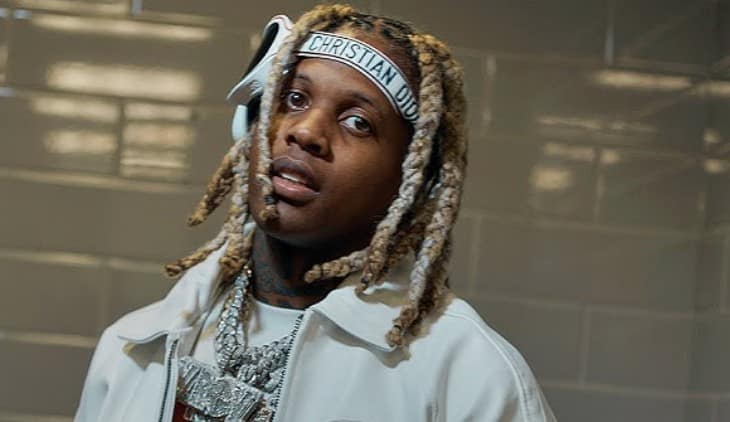
A federal murder-for-hire case against acclaimed rapper Lil Durk has reignited a contentious debate over the use of rap lyrics as evidence in criminal trials. Defense attorneys are fiercely challenging prosecutors' attempts to introduce Durk's music and videos, arguing that artistic expression should never be treated as proof of criminal intent.
Prosecutors plan to present nine music videos and three audio recordings tied to Durk and his associates. They assert that this material reflects a violent mindset linked to an alleged retaliation plot following the 2020 killing of King Von, a close associate of Durk.
The government connects this to a long-running feud with rapper Quando Rondo's group, alleging Durk ordered revenge after Von's death. This allegedly led to a shooting in Los Angeles that killed Rondo's cousin, Saviay'a Robinson.
Key evidence cited includes a lyric from "All My Life," Durk's collaboration with J. Cole, where he raps: "They be on my page like 'Slide for Von', I know they trollin me… Got it back in blood, y’all just don’t know, that’s how it ‘posed to be." Prosecutors claim this line reflects a retaliatory response to King Von's death.
Additionally, lyrics from an unreleased track titled "Scoom His Ass," found on a co-defendant's phone, are referenced. Investigators say the song's mention of Beverly Hills is significant due to its proximity to the location of Robinson's killing.
Durk's legal team vehemently maintains that lyrics are forms of narrative and performance, not outright confessions to real-world crimes. The court now faces the complex task of deciding whether artistic output can legitimately serve as evidence in a criminal proceeding.
The Precedent and Peril of Artistic Expression in Court
This isn't the first time the hip-hop world has watched nervously as artistic works are weaponized in courtrooms. The ongoing legal battle against Lil Durk highlights a deeply problematic trend where creative storytelling, often born from lived experiences or exaggerated personas, is used to paint artists as criminals.
The prosecution's argument, if successful, sets a dangerous precedent, potentially stifling artistic freedom across genres, but particularly within rap, which often explores themes of street life, struggle, and retaliation. Critics argue that singling out rap lyrics demonstrates a biased understanding of the art form, often overlooking the fictional nature inherent in much music.
Similar debates have surrounded artists like Young Thug and YFN Lucci, where lyrics have been central to RICO indictments. The outcome of Lil Durk's case could significantly influence how legal systems approach artistic expression, either affirming the right to creative freedom or further normalizing the demonization of rap music as evidence of criminal intent. It's a critical moment for the protection of artistic integrity within the justice system.