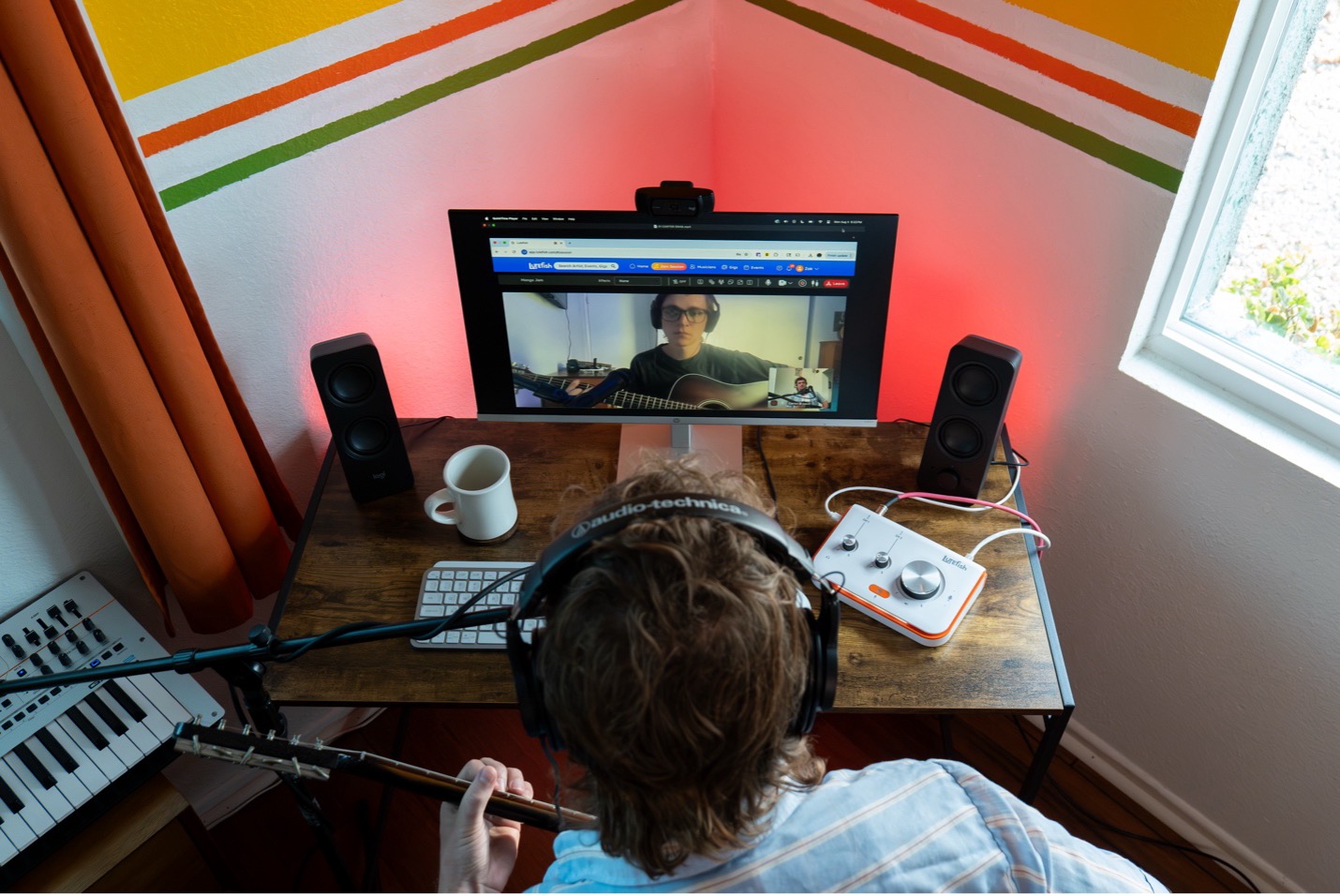
The long-awaited era of seamless, real-time online music sessions has officially arrived, poised to revolutionize how musicians worldwide connect, rehearse, and create. A new online music collaboration platform, Lutefish, is leading this charge, offering a tangible solution that makes playing with others feel as natural as being in the same room, even across vast distances.
From music lessons and group rehearsals to onboarding new band members and orchestrating entire band reunions, Lutefish is proving its efficacy. The platform utilizes advanced technology to minimize latency, creating an immersive experience that was once considered impossible for remote musical interaction.
Lutefish: Bridging the Distance for Educators and Artists
Music education, while long leveraging the internet, is now reaching its full collaborative potential. Murphy Karges, a current music educator and former bassist/songwriter for the iconic band Sugar Ray, exemplifies this shift.
After decades of touring and contributing to megahits like “Fly,” Karges now runs an elite, primarily online bass education program. He emphasizes the critical need for real-time interaction in teaching music, something traditional video calls struggled with.
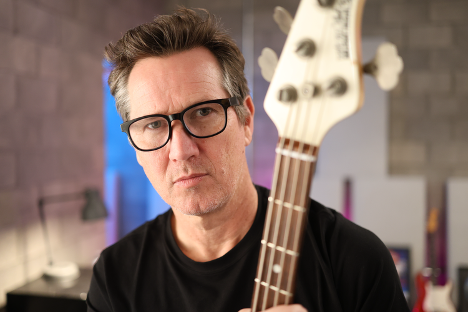
“You can show somebody something over Zoom and it’s a bit detached,” explains Murphy, “but for some things it will work.” He sought a platform specifically designed for music, recognizing that standard apps lacked the speed and responsiveness required for true musical synchronization.
Lutefish’s innovative approach includes a hardware device that acts as a bridge between an instrument and the internet, ensuring a faster, more responsive connection. This physical component sets it apart from many competitors.
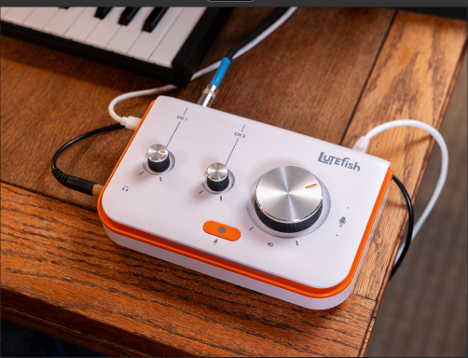
“I chose it (Lutefish) because it’s a simpler model than the others. Some of the other ones don’t even have a physical device. I looked at them all. And some look sketchy, like a hacker’s website. Lutefish is a tangible physical device you use, and you plug in, it sits on your desk, and it’s fairly simple to operate.” Karges attests to the platform’s convincing experience, stating, “My students and members feel like I’m sitting right next to them, in the room, going over the exact thing they need… either right or wrong, in real time.”
Bands Thrive with Remote Rehearsals
Beyond education, working bands are finding Lutefish indispensable. SoCal thrashers Trip To The Morgue leveraged remote sessions to navigate their challenging schedule and onboard new guitarist Jamison “JJ” Jackson, who lived hundreds of miles away.
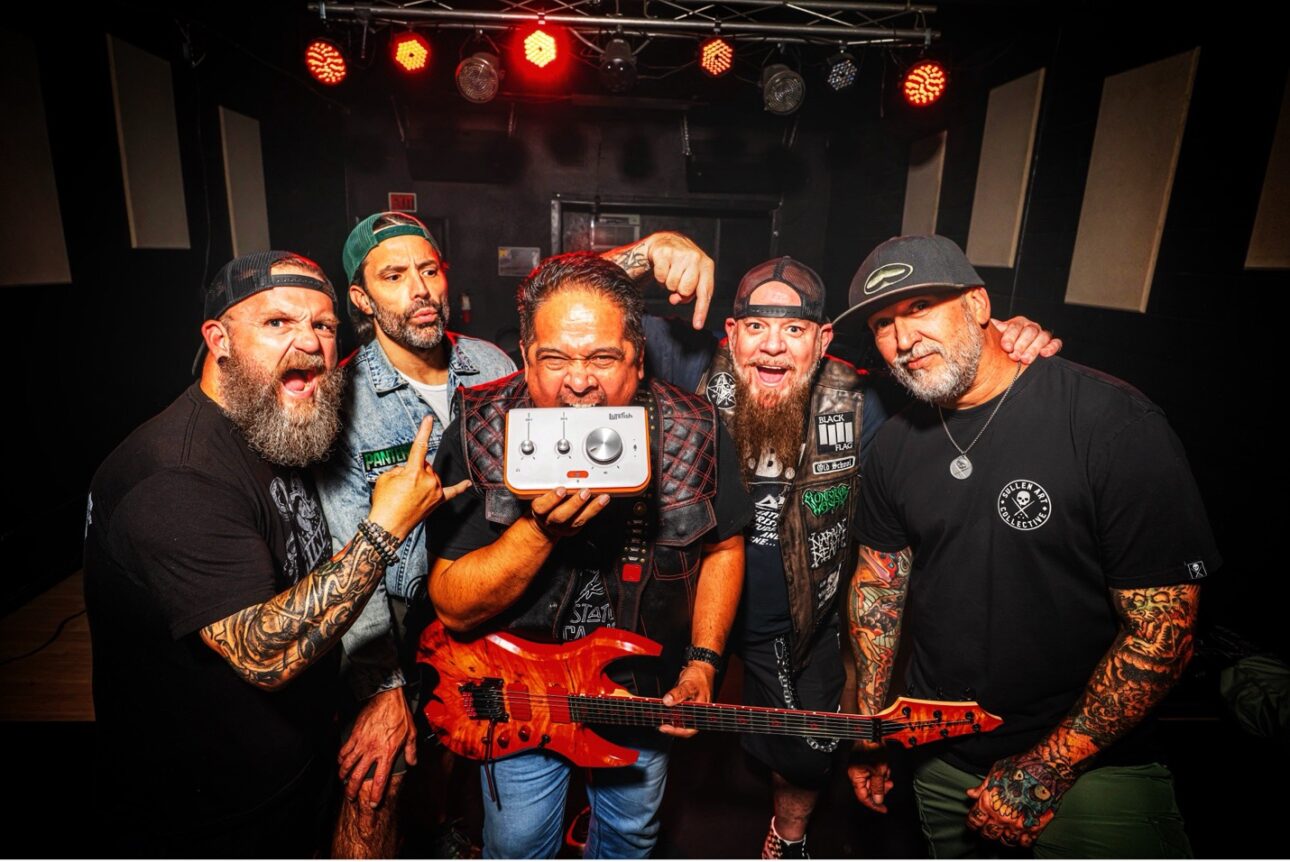
Trip To The Morgue guitarist James Patrick McCosar reported that Jackson was ready for a live gig in Las Vegas after just three weeks of Lutefish rehearsals. “Let’s be honest, making it in the music business nowadays requires bands to be tight, sound cohesive, and play like you’ve been together for years,” asserts McCosar. “Lutefish is like a shortcut. You skip travel time, random practice room challenges, and scheduling nightmares. With Lutefish, the only limitation is your time and dedication.”
The platform also enabled Scott Walker to reunite his college band for a retirement celebration show, nearly four decades after they last played together. With members spread across Florida and the Carolinas, in-person rehearsals were out of the question.
“Without Lutefish, we couldn’t have pulled this off,” Walker recalls. “We only had time for a few in-person practices, but we could rehearse weekly online. We’d jump on between the end of the workday and supper with short, focused sessions. Those weekly jam sessions were the difference between being ready and not.” The reunion show was a resounding success, demonstrating the power of consistent virtual practice.
Walker adds, “Being able to actually play music together in real time was the game-changer. The Lutefish network makes latency tolerable, and the experience forces you to simulate a real performance by standing, playing, singing, and managing sounds. It’s the next best thing to being in the same room.”
Latency Conquered: The Future of Musical Collaboration
The core barrier to widespread online music collaboration has always been internet latency – the delay in data transmission. For a truly functional and enjoyable session, musicians require a response time of approximately 40 milliseconds or less.
Historically, average internet connections simply couldn't consistently meet this demand. However, recent advancements in broadband infrastructure, particularly fiber and cable ISPs, have drastically reduced network latency to well within acceptable limits (around 10-18 milliseconds average). This crucial development provides the necessary headroom for platforms like Lutefish to thrive, accounting for the additional time needed for audio conversion and processing.
Recognizing this technological tipping point during the pandemic, music industry stalwart Wenger Corporation leveraged its resources to create Lutefish. Debuting in November 2024, Lutefish benefits from Wenger's 80-year foundation of trust and reliability, offering musicians a stable and supported solution.
This backing is a significant differentiator, ensuring consistent updates and long-term functionality for a product that demands ongoing technical support. Lutefish isn't just a new gadget; it's a strategically developed tool from a proven industry leader.
AXENMAG Analysis: A Paradigm Shift for the Music Industry
The emergence of Lutefish and its demonstrated success represents far more than just a convenient tool; it's a fundamental paradigm shift for the music industry. For decades, geographical limitations have dictated who could collaborate, form bands, or access elite education. Now, with latency effectively minimized, these barriers are crumbling.
This technology democratizes access, allowing aspiring musicians in remote areas to learn from mentors like Murphy Karges, or for niche genre bands like Trip To The Morgue to expand their talent pool globally. The cost savings in travel and rehearsal space are immense, especially for independent artists already operating on tight budgets.
Comparing this to the pre-digital era, where band reunions across states were logistically impossible for most, Lutefish enables a vibrant extension of artists' careers and legacies. It fosters creativity by removing logistical headaches, allowing musicians to focus purely on their craft. As other industries have embraced remote work, the music world is finally catching up, and the benefits—efficiency, cost-effectiveness, and boundless creative potential—are too profound to ignore.
Lutefish is poised to be the crucial “edge” the music industry has sought, making real-time collaborative music accessible and effective up to 500 miles apart. It's an exciting time to be a musician, with the digital landscape finally evolving to meet the demands of true artistic collaboration.