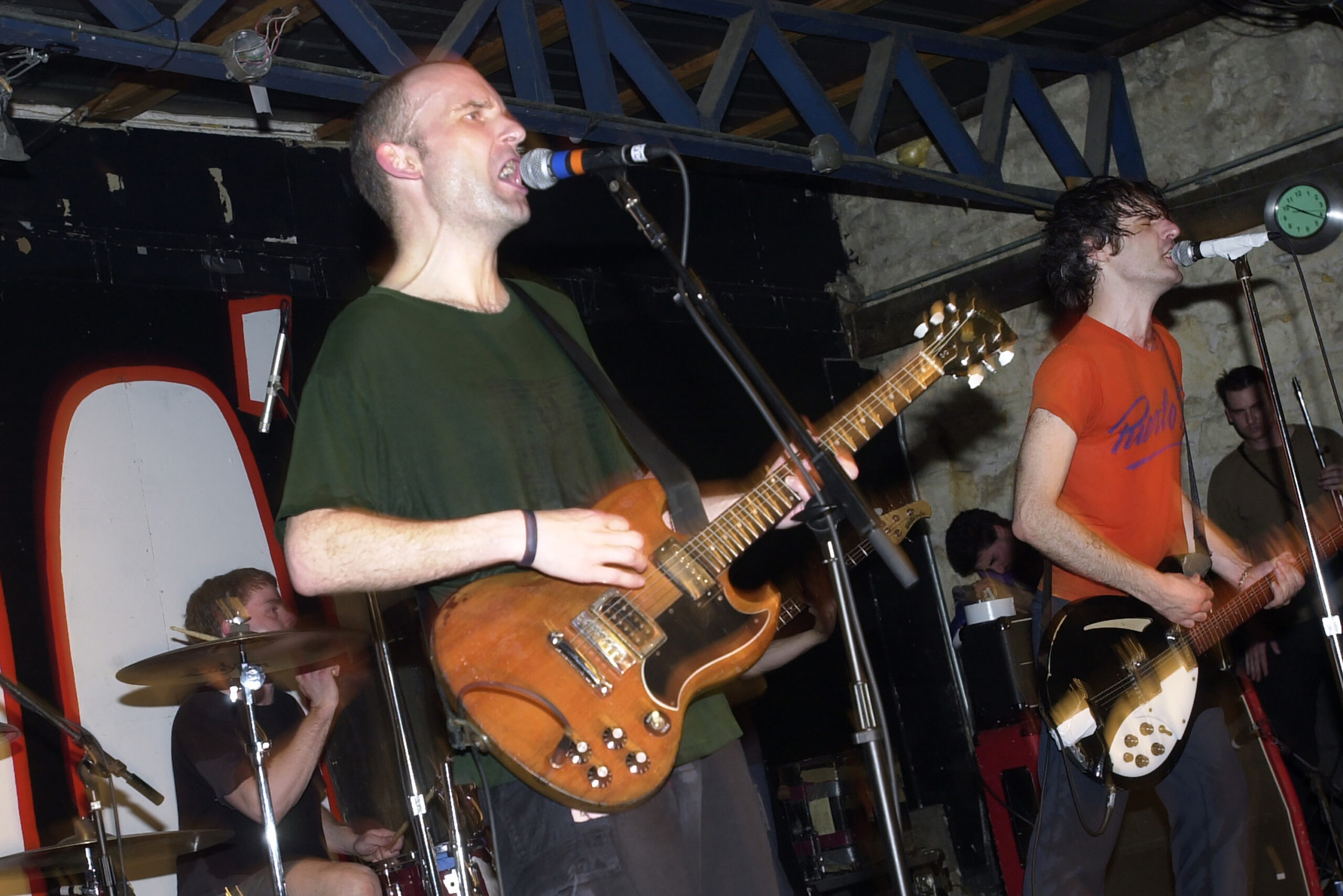
In a monumental release for ’90s underground music, legendary Washington, D.C. band Fugazi has officially unveiled its long-bootlegged 1992 recording sessions with the late, revered producer Steve Albini. These historic "Albini Sessions," featuring the producer's complete original mix for material that would later become their seminal album In on the Kill Taker, are now available on Bandcamp as a name-your-own-price download.
Crucially, all proceeds from this release will directly benefit Letters Charity, a non-profit organization dedicated to transforming "passive compassion into immediate assistance" by providing money without judgment to families experiencing poverty. Steve Albini and his widow, Heather Whinna, were longtime supporters of this impactful endeavor.
Unearthing a Post-Hardcore Legend's Lost Chapter
This release is far more than just unearthed demos; it’s a fully realized, alternative version of an iconic album, offering an unprecedented look into Fugazi's meticulous creative process. For decades, fans have sought out poor-quality bootlegs, but this official release, sourced directly from the master tapes, provides a pristine auditory experience.
The collaboration with Albini, known for his raw, minimalist approach with bands like Nirvana and Pixies, was initially an attempt to "shake things up" for Fugazi. The band had reportedly "hit a bit of a wall" while developing songs for In on the Kill Taker.
"In the fall of 1992, the members of Fugazi were deep in the process of finishing up the songs that would eventually come out as the In on the Kill Taker album the following year," a note from Fugazi on Bandcamp details. "The band had been working on the songs for a couple of years and had gotten as far as recording a few of them at [D.C.-area recording studio] Inner Ear as well as making numerous practice recordings, but by late October they seemed to have hit a bit of a wall."
The story behind the sessions reveals a deep camaraderie between the band and Albini. They shared a mutual admiration, with Fugazi particularly appreciating "Steve’s aesthetic, especially the early Jesus Lizard records." The intense three-to-four-day session at Albini's Chicago home studio, Electrical Audio, saw 12 songs — the entirety of In on the Kill Taker — recorded and mixed.
"The hang itself was epic and in the downtime, when they weren’t recording, a deeper affinity and friendship was quickly realized," the band recounted, painting a picture of fresh pasta, dice games, and hours of punk rock discussions.
Why These Sessions Remained Unheard for Decades
Despite the initial excitement during playbacks, the band ultimately decided against releasing Albini's mixes. "However, once the band was driving back home to DC with cassettes of the rough mixes to check out it was clear that this was a session that wasn’t going to be released," Fugazi explained. "It’s difficult to explain the issue, but, for as incredible as things felt while at Electrical, the songs sounded flat in subsequent listens."
Albini himself concurred, with Fugazi noting, "Albini wrote to the band with a similar opinion and it was decided to nix the recording." Less than a month later, Fugazi re-recorded the album with Ted Nicely at Inner Ear Studio, resulting in the iconic 1993 release.
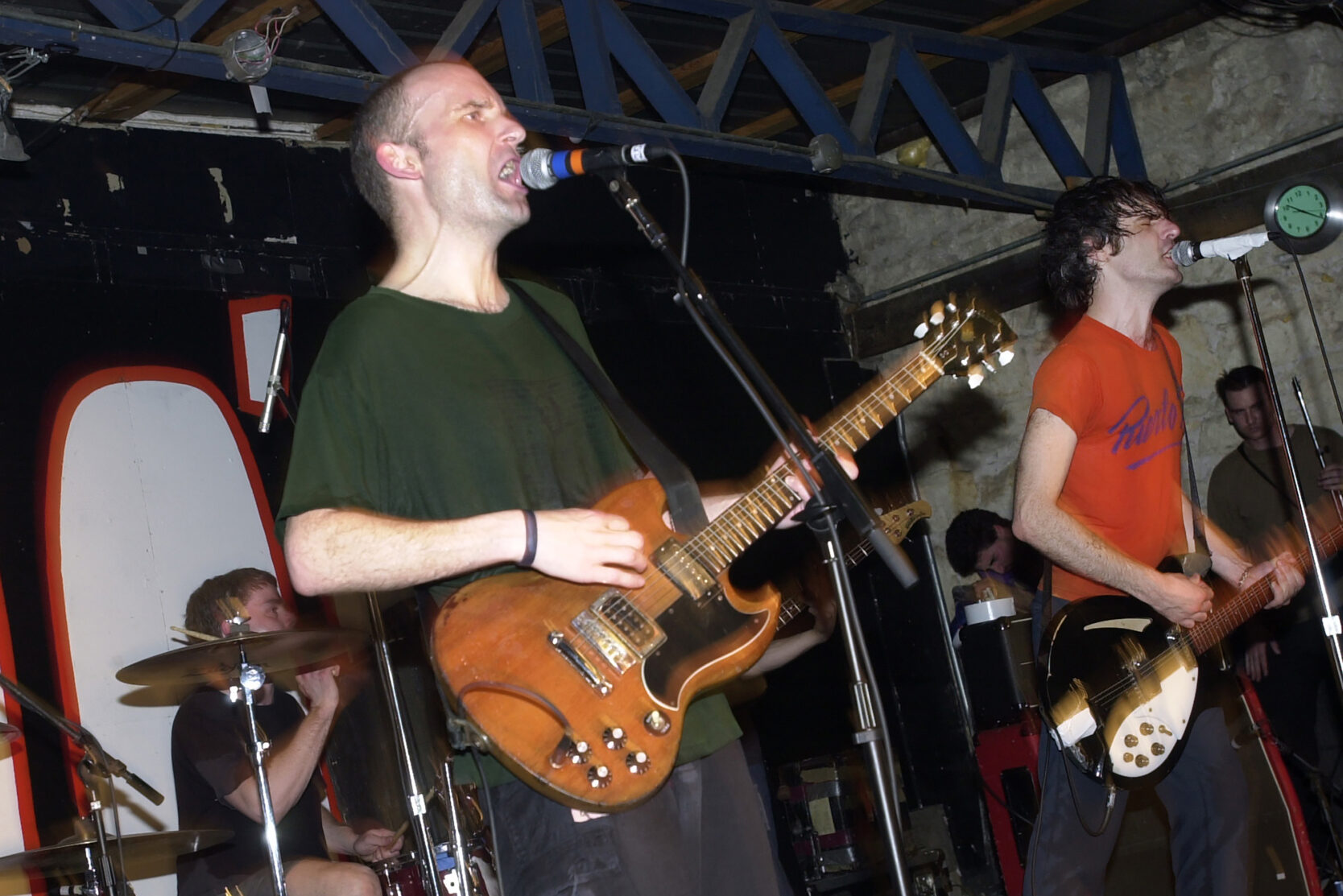
The decision to archive these sessions for over three decades underscores Fugazi's unwavering artistic integrity and commitment to their vision, a hallmark of their post-hardcore influence. This isn't the first time an artist has shelved significant work, but for a band as revered for its uncompromising stance as Fugazi, it adds another layer to their legend.
The charitable component of this release further aligns with both Fugazi's long-standing DIY ethics and Albini's known philanthropic leanings, transforming a historical music event into a benevolent act. The band, which hasn't played publicly since 2002 despite lucrative reunion offers, concluded their announcement with a plea to fans: "please be generous" when donating.